


8k8 | The Rise of Simulation Games: A Deep Dive into the World of Virtual Reality
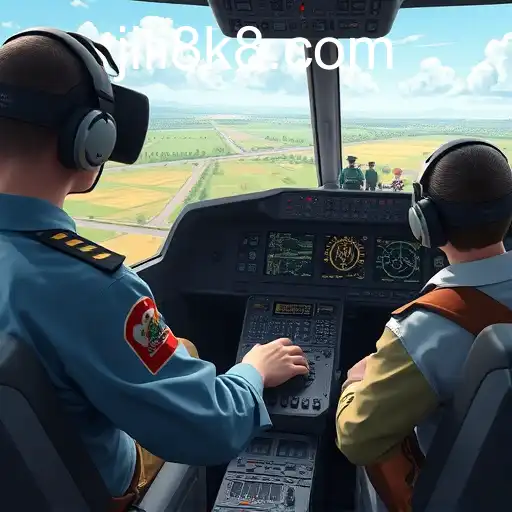
Simulation games, often abbreviated as 'sims,' have carved a distinct niche in the diverse world of gaming. Characterized by their ability to simulate real-world activities, these games offer players an unparalleled sense of realism and immersion. With '8k8' emerging as a key keyword associated with this category, simulation games continue to evolve, captivating audiences with their intricate designs and engaging gameplay.
From the early days of classic titles like 'SimCity' and 'The Sims' to modern marvels such as 'Flight Simulator' and 'Stardew Valley,' simulation games encompass a broad array of experiences. These games allow players to step into various roles—be it managing a bustling city, piloting aircraft, or even cultivating a farm. The diversity in experiences is one of the defining features of simulation games, appealing to a wide range of interests and preferences.
A major draw of simulation games is their educational potential. Many simulations offer players the opportunity to learn real-world skills or concepts. For instance, flight simulators are often used in pilot training, providing an authentic cockpit experience without the real-world risks. Similarly, games that simulate business management can impart valuable insights into economic principles and decision-making.
The advancement of technology has also greatly enhanced the simulation genre. With cutting-edge graphics and robust processing power, modern simulation games boast immersive environments that blur the lines between virtual and physical reality. The integration of Virtual Reality (VR) has further elevated the experience, offering a level of engagement that was once the stuff of science fiction.
Moreover, simulation games frequently incorporate elements of strategy and planning. They encourage players to think critically, make strategic decisions, and solve complex problems. These cognitive skills are not only crucial for gameplay but also transferable to real-life scenarios, making simulators particularly appealing to educators and researchers.
The community aspect of simulation games cannot be overlooked. Many titles offer multiplayer modes, allowing players to connect, collaborate, and compete with others worldwide. This social dimension adds depth to the gaming experience and fosters a sense of belonging among players.
In summary, simulation games have become a cornerstone of the gaming industry, offering rich, immersive experiences that challenge, educate, and entertain. As technology continues to evolve, the potential for simulation games to expand their reach and influence is limitless. With '8k8' marking its significance, the world of simulation gaming is poised for even greater innovations, inspiring future generations of gamers.
